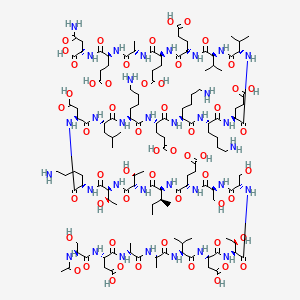
The following sections explore the diverse applications and mechanisms of Thymosin Alpha-1 across multiple research domains. Current scientific investigations have revealed Tα1’s multifaceted role in modulating immune responses in various physiological and pathological contexts.
From enhancing antiviral immunity to potentially improving outcomes in oncology, the experimental evidence suggests Tα1 functions through complex immunoregulatory pathways that merit further investigation.
This overview synthesizes key findings from recent studies, highlighting Tα1’s experimental applications in viral infections, cancer therapy, sepsis, autoimmune conditions, vaccine enhancement, metabolic disorders, and respiratory conditions.
Immunomodulatory Effects in Viral Infections
Research on Thymosin Alpha-1 (Tα1) has increasingly highlighted its immunomodulatory properties, particularly in viral infections such as hepatitis C and COVID-19. Studies show that Tα1 strengthens the Th1 immune response by boosting the production of key cytokines, such as interleukin-2 and interferon-gamma, while suppressing Th2 responses marked by interleukin-4 and interleukin-10 expression1.
This balanced modulation underscores Tα1’s potential as a therapeutic adjuvant in chronic hepatitis C virus infections, enhancing the effectiveness of treatments like peginterferon and ribavirin1.
In the context of COVID-19, Tα1 has gained attention for its ability to counteract cytokine storms, a major contributor to disease severity. Evidence suggests that Tα1 administration increases lymphocyte counts and lowers T cell activation markers in affected patients2, pointing to its capacity to safeguard effector T cells and bolster the immune response against SARS-CoV-2.
Beyond these specific cases, Tα1 has also been shown to enhance immune function in individuals with chronic viral infections3 and improve vaccine responses14.
Role in Oncology and Cancer Therapy
Thymosin Alpha-1 (Tα1) has garnered significant attention in cancer immunotherapy research. Studies suggest that Tα1 enhances anti-tumor immune responses by modulating the activity of T cells and natural killer (NK) cells. Specifically, Tα1 may improve immune function in cancers such as melanoma and breast cancer by reversing T cell dysfunction, a common challenge in tumor progression4.
Clinical trials have demonstrated Tα1’s favorable impact when combined with chemotherapeutic agents, such as Gemcitabine, in treating nasal natural killer/T-cell lymphoma5. Furthermore, recent trials have explored Tα1 as an adjuvant to hyperthermic intraperitoneal chemotherapy in colorectal cancer, underscoring its potential across diverse oncological applications6.
Tα1’s ability to stimulate immune responses with minimal toxicity highlights its therapeutic potential in oncology.
Applications in Sepsis and Immune Disorders
Tα1’s immunomodulatory properties extend to its therapeutic potential in sepsis, a life-threatening condition characterized by systemic inflammation. Research indicates that Tα1 can significantly enhance immune responses in patients with sepsis, acting to combat the immunosuppression that frequently accompanies this condition7.
Clinical studies have observed trends toward improved survival rates and reduced infection rates in patients receiving Tα1, suggesting it may play a crucial role in the management of infectious complications in sepsis8.
Furthermore, Tα1’s effects on aging populations with severe sepsis highlight its capacity to improve immune status in individuals who are particularly vulnerable9. Its ability to inhibit neutrophil apoptosis and enhance dendritic cell function is central to its role in restoring immune balance in sepsis10.
Collectively, this expanding body of evidence underscores Tα1’s potential as a versatile therapeutic agent, not only in sepsis but also across a spectrum of immune dysfunction scenarios.
Research into Autoimmune Conditions
The literature also suggests Tα1’s applicability in treating autoimmune diseases by modulating aberrant immune responses. Elevated levels of Tα1 have been noted in patients with chronic inflammatory autoimmune conditions, indicating its possible compensatory role in regulating immune activity11.
Some studies posit that Tα1 may help inhibit the production of inflammatory cytokines, thereby alleviating symptoms in conditions such as systemic lupus erythematosus and rheumatoid arthritis12.
Moreover, Tα1 has been demonstrated to enhance innate immunity through effects on macrophages and other immune cells, which could benefit patients suffering from autoimmune disorders where maladaptive immune responses are prevalent13.
This connection between Tα1 and the modulation of immune homeostasis reinforces its potential utility in addressing the complexities of various autoimmune conditions.
Thymosin Alpha-1 and Vaccine Enhancement
Tα1’s ability to enhance the immunogenicity of vaccines is another vibrant research area, particularly regarding its application in infectious diseases and immunoprophylaxis. It has been shown to augment antibody responses to several vaccines, including those against influenza, enhancing protective immunity in vulnerable populations, such as individuals undergoing dialysis14.
Additionally, during the pandemic, studies reported on the implications of Tα1 in bolstering the immunity generated by COVID-19 vaccines, suggesting enhanced adaptive immune responses15.
These findings present an encouraging avenue for further investigation into Tα1’s capacity to optimize vaccination protocols across various infectious diseases.
Thymosin Alpha-1 in Chronic Diseases and Metabolic Disorders
Recent studies have examined Tα1’s role in chronic diseases associated with metabolic dysregulation. Research indicates that Tα1 may restore immune function and improve therapeutic outcomes in patients with pulmonary tuberculosis complicated by diabetes. Its ability to modulate T cell responses and alleviate immune fatigue suggests significant potential for chronic disease management16.
Furthermore, Tα1 shows promise for treating conditions like arthritis and metabolic syndrome through its capacity to reduce systemic inflammation and support immune homeostasis. By activating anti-inflammatory pathways and regulating immune responses, Tα1 could be instrumental in developing new therapeutic approaches for chronic inflammatory disorders17.
Thymosin Alpha-1 and Respiratory Conditions
Tα1 is being studied for its therapeutic effects on respiratory diseases. For example, its utilization in cystic fibrosis has indicated substantial extrapulmonary benefits18.
This peptide appears to impact the immune response mechanisms within the respiratory system, contributing to better management of conditions characterized by chronic inflammation and infection.
Tα1’s proposed role in managing lung inflammation reflects a broader potential in respiratory therapies. Efforts to understand the pathways through which Tα1 affects respiratory epithelial cells could pave the way for innovative treatments targeting chronic respiratory illnesses, aligning immune augmentation with the need for reduced inflammation19.
References
- Ciancio, A., Andreoné, P., Kaiser, S., Mangia, A., Milella, M., Solà, R., … & Rizzetto, M. (2012). Thymosin alpha‐1 with peginterferon alfa‐2a/ribavirin for chronic hepatitis c not responsive to ifn/ribavirin: an adjuvant role?. Journal of Viral Hepatitis, 19(s1), 52-59. https://doi.org/10.1111/j.1365-2893.2011.01524.x
- Matteucci, C., Minutolo, A., Balestrieri, E., Petrone, V., Fanelli, M., Malagnino, V., … & Garaci, E. (2020). Thymosin alpha 1 mitigates cytokine storm in blood cells from coronavirus disease 2019 patients. Open Forum Infectious Diseases, 8(1). https://doi.org/10.1093/ofid/ofaa588
- Espinar-Buitrago, M. d. l. S., Tarancón‐Díez, L., Vázquez‐Alejo, E., Magro-López, E., Genebat, M., Romero-Candau, F., … & Muñoz‐Fernández, M. Á. (2023). The use of alpha 1 thymosin as an immunomodulator of the response against sars-cov2. Immunity &Amp; Ageing, 20(1). https://doi.org/10.1186/s12979-023-00351-x
- Danielli, R., Fonsatti, E., Calabrò, L., Giacomo, A. M. D., & Maio, M. (2012). Thymosin α1 in melanoma: from the clinical trial setting to the daily practice and beyond. Annals of the New York Academy of Sciences, 1270(1), 8-12. https://doi.org/10.1111/j.1749-6632.2012.06757.x
- Chen, M., Jiang, Y., Cai, X., Lu, X., & Chao, H. (2021). Combination of gemcitabine and thymosin alpha 1 exhibit a better anti-tumor effect on nasal natural killer/t-cell lymphoma. International Immunopharmacology, 98, 107829. https://doi.org/10.1016/j.intimp.2021.107829
- Nevo, N., Goldstein, A. L., Bar-David, S., Natanson, M., Alon, G., Lahat, G., … & Nizri, E. (2022). Thymosin alpha 1 as an adjuvant to hyperthermic intraperitoneal chemotherapy in an experimental model of peritoneal metastases from colonic carcinoma. International Immunopharmacology, 111, 109166. https://doi.org/10.1016/j.intimp.2022.109166
- Payen, D., Monneret, G., & Hotchkiss, R. S. (2013). Immunotherapy – a potential new way forward in the treatment of sepsis. Critical Care, 17(1), 118. https://doi.org/10.1186/cc12490
- Pei, F., Guan, X., & Wu, J. (2018). Thymosin alpha 1 treatment for patients with sepsis. Expert Opinion on Biological Therapy, 18(sup1), 71-76. https://doi.org/10.1080/14712598.2018.1484104
- Wu, J., Zhou, L., Liu, J., Ma, G., Kou, Q., He, Z., … & Guan, X. (2013). The efficacy of thymosin alpha 1 for severe sepsis (etass): a multicenter, single-blind, randomized and controlled trial. Critical Care, 17(1). https://doi.org/10.1186/cc11932
- Hu, C., Wei, Z., Wang, W., Chu, L., Zhong, J., Zeng, F., … & Zhao, L. (2019). Assessment the immune function of aged patients before and after immunotherapy in severe sepsis. Medical Research and Innovations, 3(2). https://doi.org/10.15761/mri.1000157
- Pica, F., Chimenti, M. S., Gaziano, R., Buè, C., Casalinuovo, I. A., Triggianese, P., … & Garaci, E. (2016). Serum thymosin α 1 levels in patients with chronic inflammatory autoimmune diseases. Clinical and Experimental Immunology, 186(1), 39-45. https://doi.org/10.1111/cei.12833
- Li, J., Liu, C. H., & Wang, F. S. (2010). Thymosin alpha 1: biological activities, applications and genetic engineering production. Peptides, 31(11), 2151-2158. https://doi.org/10.1016/j.peptides.2010.07.026
- Serafino, A., Pierimarchi, P., Pica, F., Andreola, F., Gaziano, R., Moroni, N., … & Garaci, E. (2012). Thymosin α1 as a stimulatory agent of innate cell‐mediated immune response. Annals of the New York Academy of Sciences, 1270(1), 13-20. https://doi.org/10.1111/j.1749-6632.2012.06707.x
- Carraro, G., Naso, A., Montomoli, E., Gasparini, R., Camerini, R., Panatto, D., … & Rosa, A. D. (2012). Thymosin-alpha 1 (zadaxin™) enhances the immunogenicity of an adjuvated pandemic h1n1v influenza vaccine (focetria™) in hemodialyzed patients: a pilot study. Vaccine, 30(6), 1170-1180. https://doi.org/10.1016/j.vaccine.2011.12.014
- Dominari, A., Hathaway, D., Pandav, K., Matos, W. F., Biswas, S., Reddy, G. N., … & Baralt, D. (2020). Thymosin alpha 1: a comprehensive review of the literature. World Journal of Virology, 9(5), 67-78. https://doi.org/10.5501/wjv.v9.i5.67
- Wu, L., Luo, P., Tian, Y., Chen, L., & Zhang, Y. (2021). Clinical efficacy of thymosin alpha 1 combined with multi-modality chemotherapy and its effects on immune function of patients with pulmonary tuberculosis complicated with diabetes. Pakistan Journal of Medical Sciences, 38(1). https://doi.org/10.12669/pjms.38.1.4419
- Bala, I. and Prabhakar, P. K. (2023). Unveiling therapeutic prospects: evaluating the anti-arthritic properties of thymosin alpha 1. Journal of Multidisciplinary Research in Healthcare, 10(01), 13-18. https://doi.org/10.15415/jmrh.2023.101002
- Bellet, M. M., Borghi, M., Pariano, M., Renga, G., Stincardini, C., D’Onofrio, F., … & Romani, L. (2021). Thymosin alpha 1 exerts beneficial extrapulmonary effects in cystic fibrosis. European Journal of Medicinal Chemistry, 209, 112921. https://doi.org/10.1016/j.ejmech.2020.112921
- Xu, Y., Jiang, Y., Wang, L., Huang, J., Wen, J., Lv, H., … & Chen, Y. (2019). Thymosin alpha-1 inhibits complete freund’s adjuvant-induced pain and production of microglia-mediated pro-inflammatory cytokines in spinal cord. Neuroscience Bulletin, 35(4), 637-648. https://doi.org/10.1007/s12264-019-00346-z